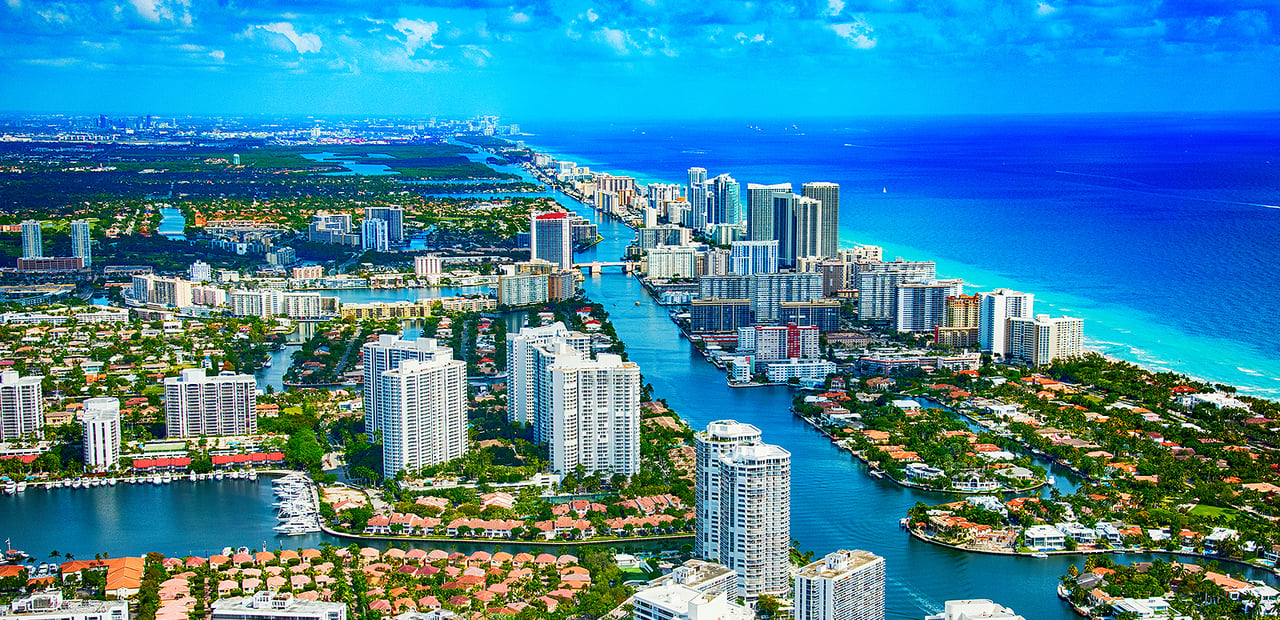
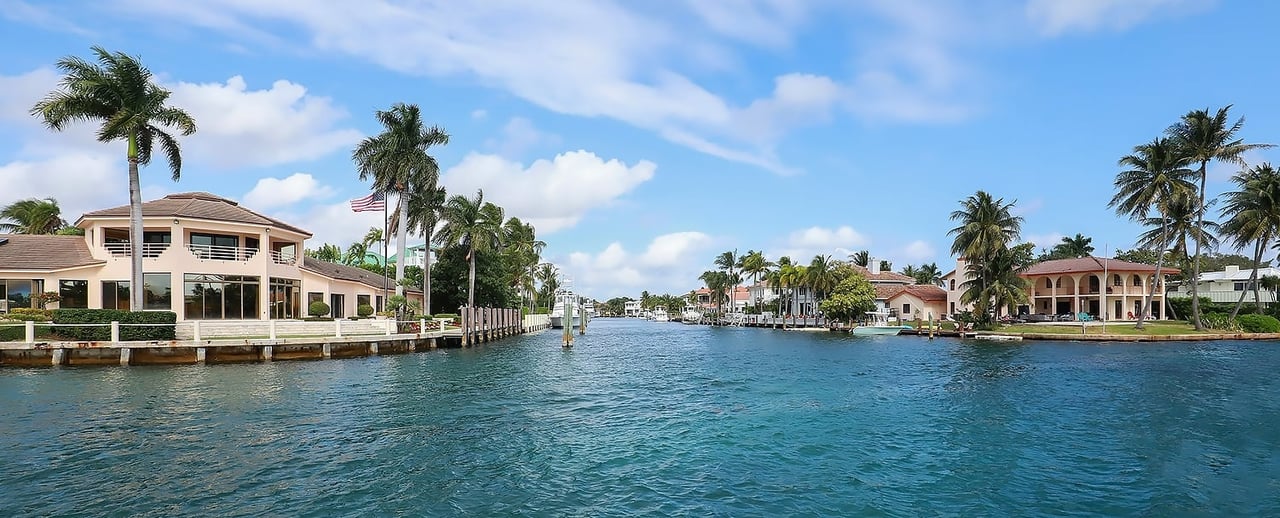
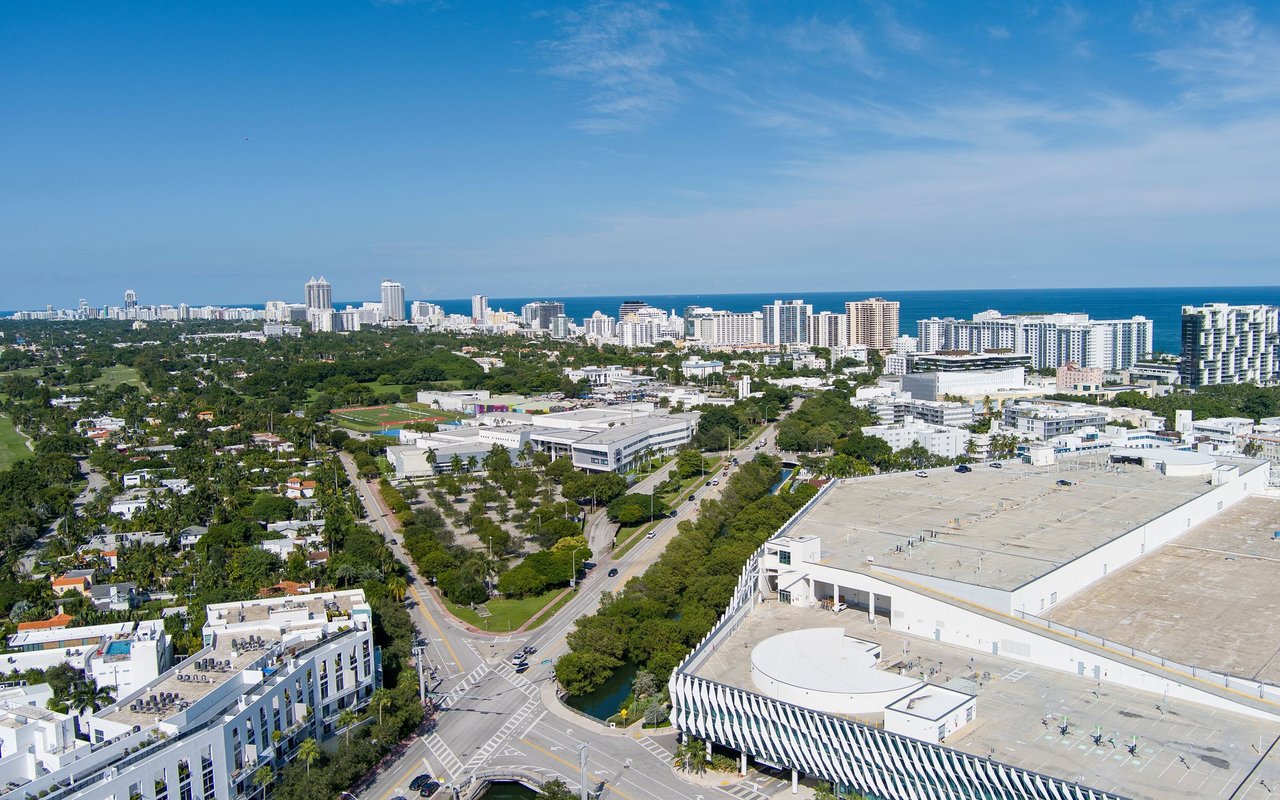
Miami Springs is a suburban town located in Miami-Dade county, founded by Glenn Hammond Curtiss, the Father of Naval Aviation. Originally known as Country Club Estates, it was one of the first planned communities in Florida, incorporated in 1926. The town is characterized by its Pueblo Revival architecture, inspired by southwestern homes. The city prioritizes education, with two elementary schools, a middle school, a high school, and several private schools. Located directly above the Miami International Airport, it offers quick access to Miami Beach, the Port of Miami, and various tourist attractions. The area experiences a warm climate with approximately 246 sunny days per year. With a population of about 14,316, it maintains a small-town feel with a median age of 39.

13,606 people live in Miami Springs, where the median age is 44 and the average individual income is $51,265. Data provided by the U.S. Census Bureau.
Total Population
Median Age
Population Density Population Density This is the number of people per square mile in a neighborhood.
Average individual Income
There's plenty to do around Miami Springs, including shopping, dining, nightlife, parks, and more. Data provided by Walk Score and Yelp.
Explore popular things to do in the area, including All American Airport Therapy, Dio's Barber Shop, and Neilin Healthy Nails Studio Academy.
| Name | Category | Distance | Reviews |
Ratings by
Yelp
|
|---|---|---|---|---|
| Active | 1.41 miles | 0 reviews | 0/5 stars | |
| Beauty | 0.43 miles | 4 reviews | 3/5 stars | |
| Beauty | 0.97 miles | 0 reviews | 0/5 stars | |
|
|
||||
|
|
||||
|
|
||||
|
|
||||
|
|
||||
|
|
Miami Springs has 5,497 households, with an average household size of 2.4. Data provided by the U.S. Census Bureau. Here’s what the people living in Miami Springs do for work — and how long it takes them to get there. Data provided by the U.S. Census Bureau. 13,606 people call Miami Springs home. The population density is 4,726 and the largest age group is Data provided by the U.S. Census Bureau.
Total Population
Population Density Population Density This is the number of people per square mile in a neighborhood.
Median Age
Men vs Women
Population by Age Group
0-9 Years
10-17 Years
18-24 Years
25-64 Years
65-74 Years
75+ Years
Education Level
Total Households
Average Household Size
Average individual Income
Households with Children
With Children:
Without Children:
Marital Status
Blue vs White Collar Workers
Blue Collar:
White Collar: