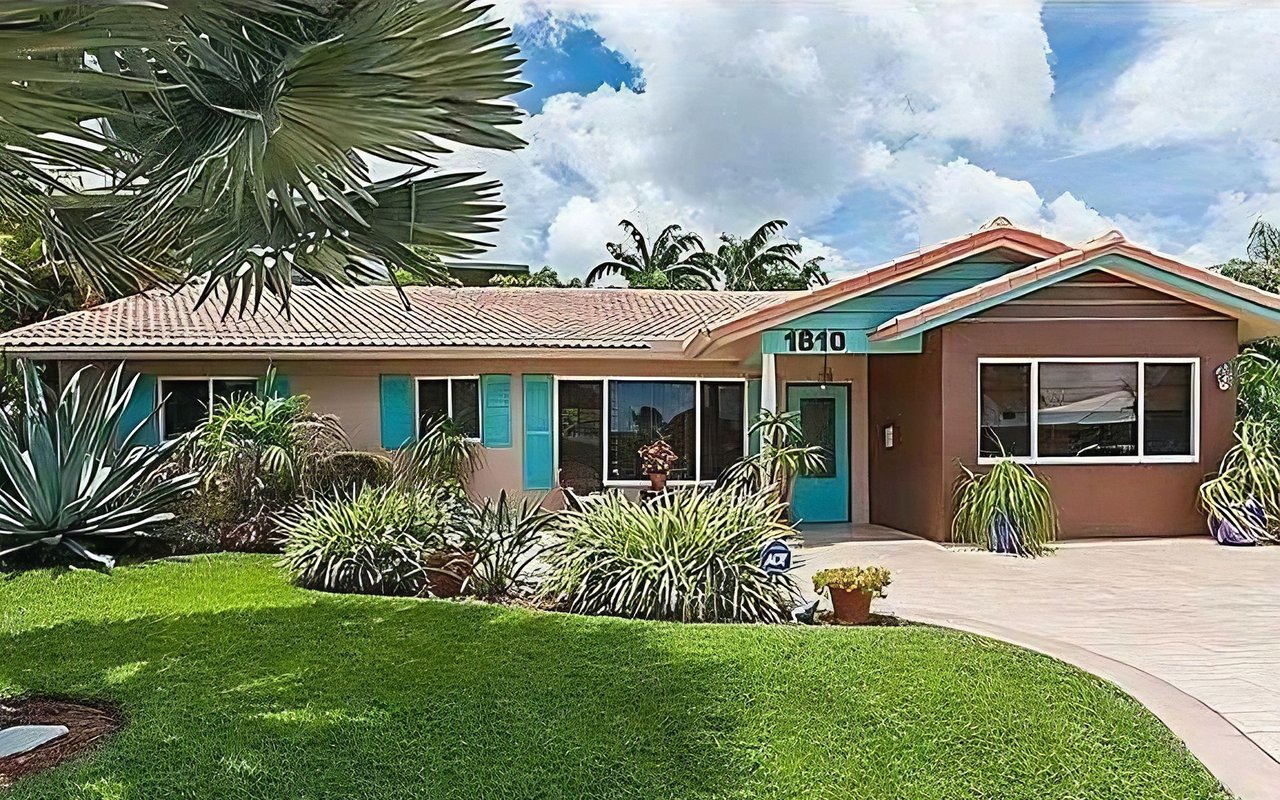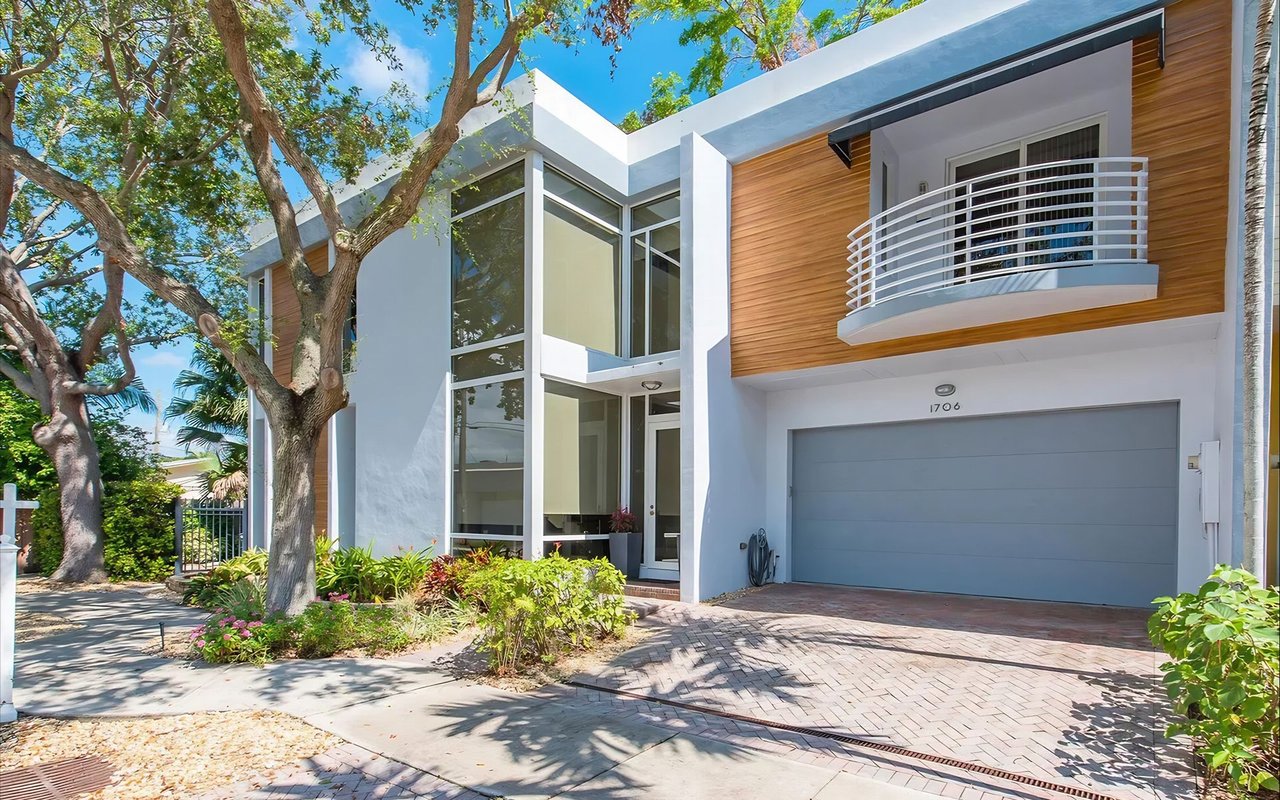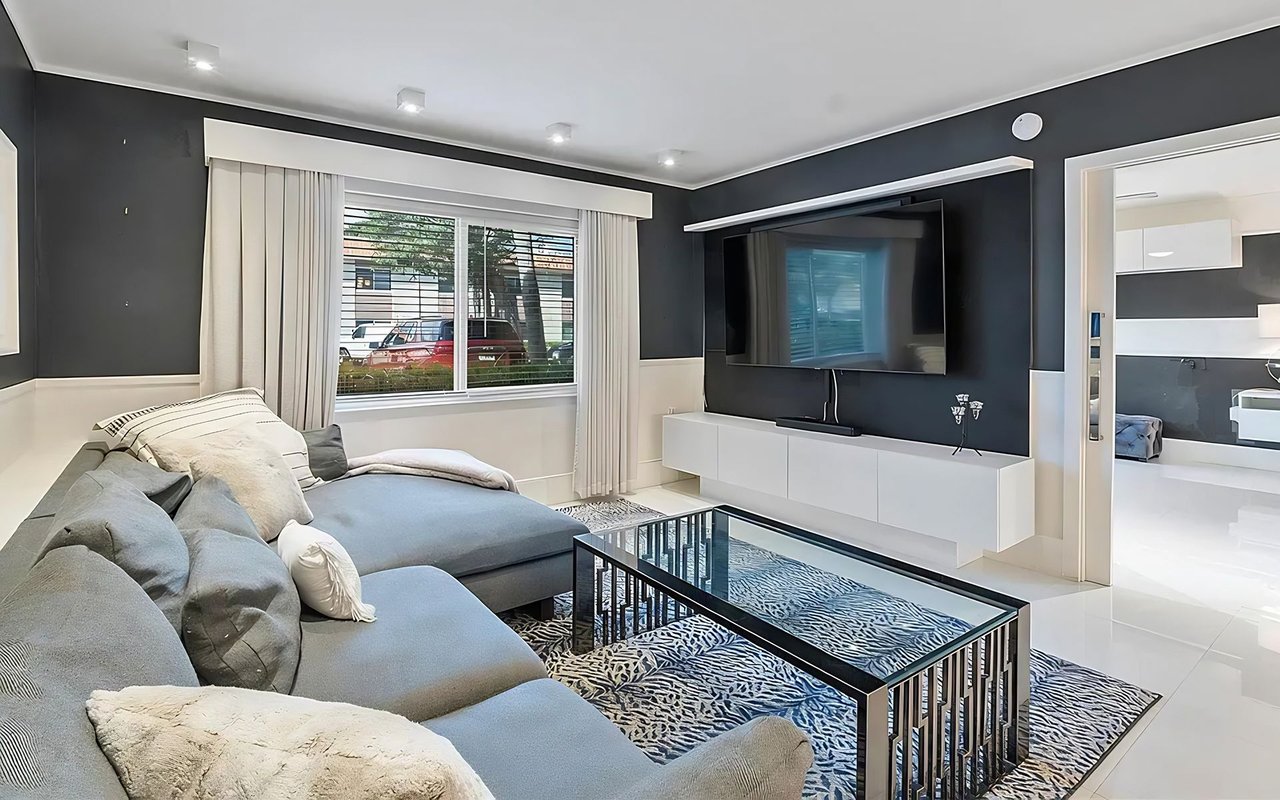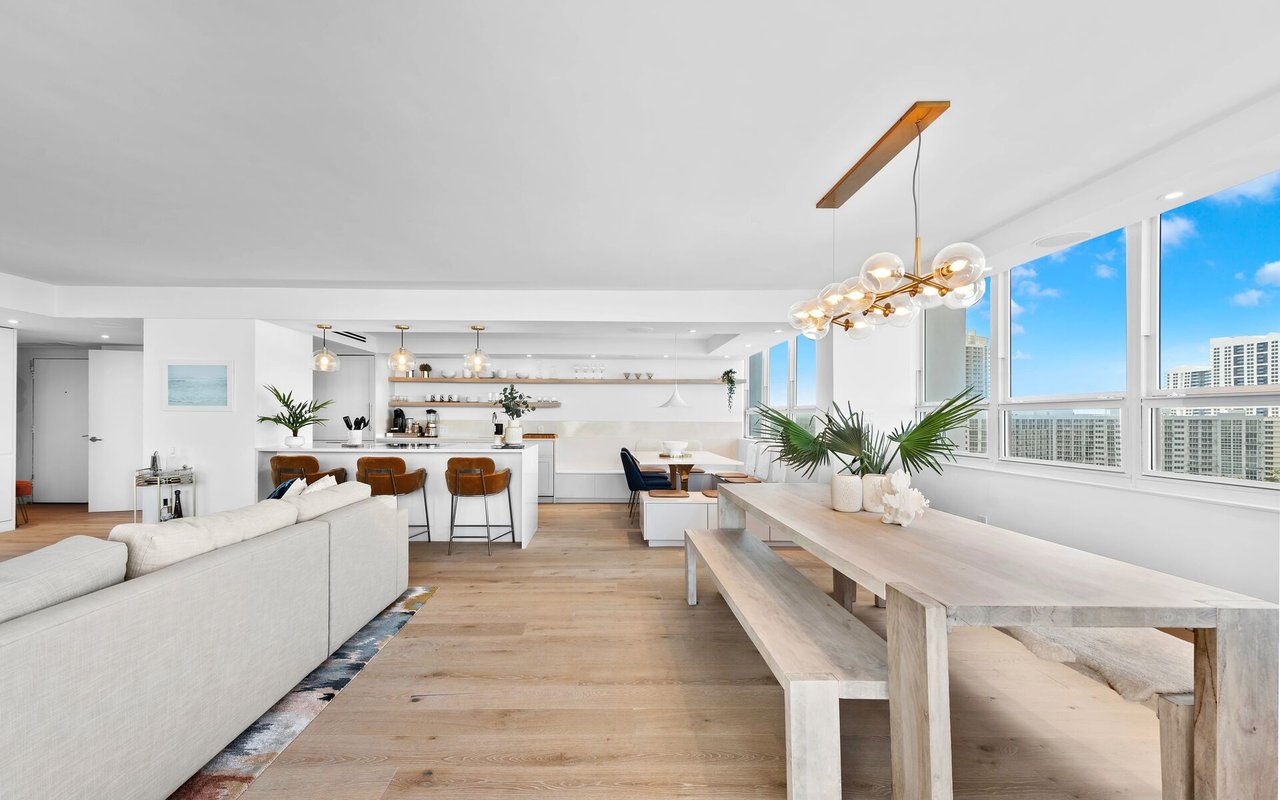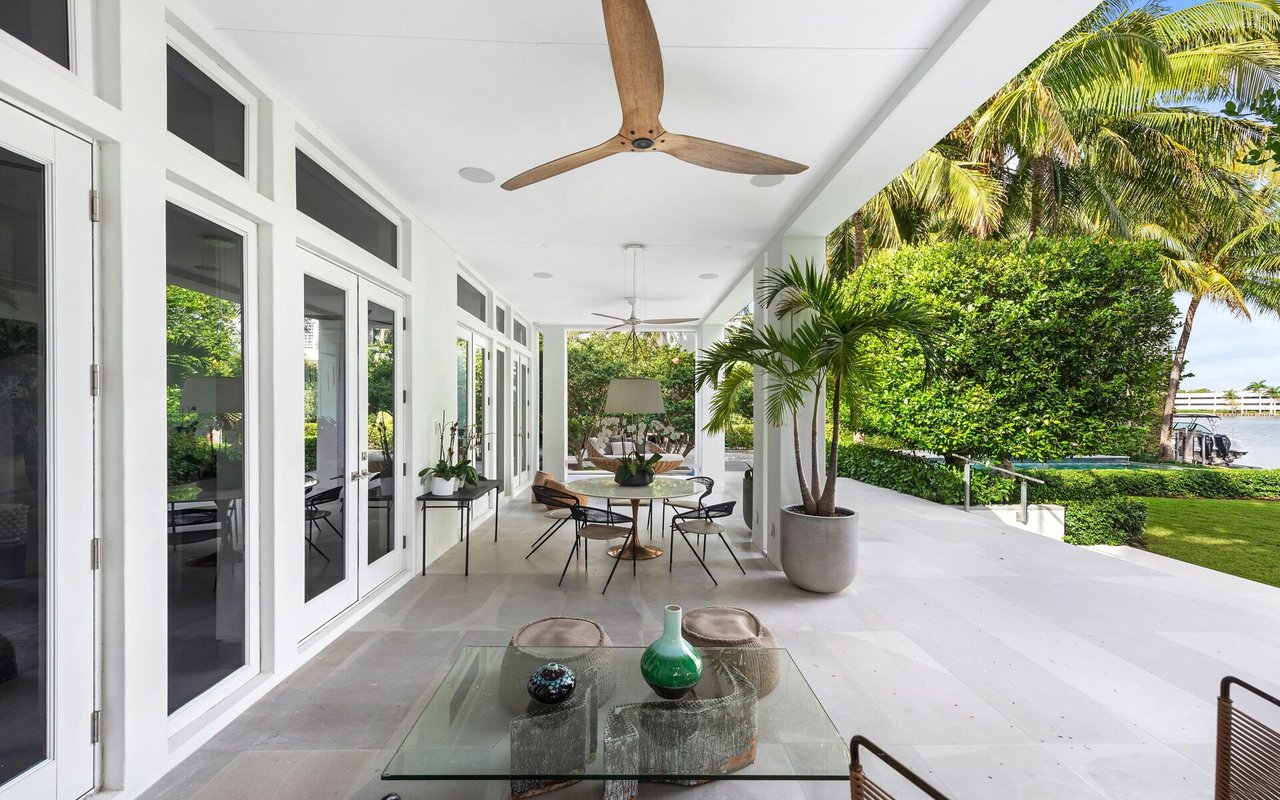
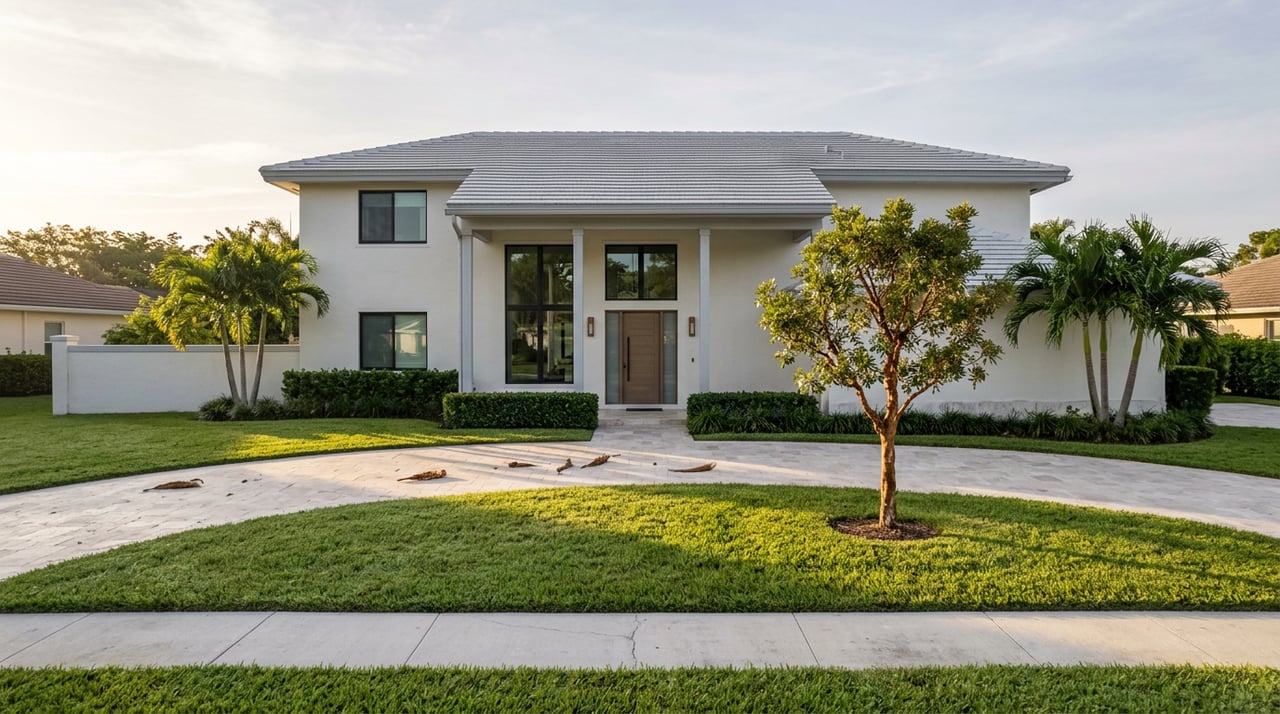
Picture two Broward County listings, both priced at $480,000 this month. One is a three-bedroom house in a school-zone pocket near Weston. The other is a two-bedroom unit in a coastal mid-rise built in the late 1980s. On paper, they sit in the same market, at the same price, in the same county. In practice, the buyer writing an offer on the house is competing against other bidders and needs to move fast. The buyer looking at the condo has months to decide, a stack of association paperwork to read first, and a real chance the seller will negotiate on price once that paperwork gets uncomfortable.
That gap is not a coincidence and it is not really about interest rates. It is the story Broward County's countywide median sale price cannot tell on its own.
The Number Everyone Quotes
Broward's median sale price landed around $480,000 in August 2026, with homes taking an average of 83 days to sell, slower than the roughly 75-day pace a year earlier. That single figure gets repeated in market updates, but it is an average of two segments that are no longer behaving the same way. Blend a tight single-family market with a loose condo market and the result is a median that looks flat while masking real movement underneath.
Split the number apart and the picture changes. Single-family homes across Broward were sitting at roughly 4.6 months of supply through mid-2026, a level that still favors sellers modestly. Six months is generally considered balanced, so anything below that leaves sellers with some leverage. Condos and townhomes told a different story entirely, with supply near 12.9 months, deep into buyer's market territory by any conventional read. Condo prices were down roughly 8 percent year over year as of mid-2026, while single-family prices held largely flat to slightly positive over the same stretch.
Two markets, one median. Here is why they split.
Why Houses Are Still a Seller's Market
The single-family segment held its footing through 2026 mostly because of who is buying, not because demand accelerated broadly. West Broward's school-zone cities kept the tightest grip on inventory. Weston's median single-family price sat near $940,000 to $960,000 in mid-2026, with limited supply for family-sized homes in the top school zones. Parkland ran a similar pattern in the $750,000 to $870,000 range.
What makes these two cities resistant to the rate environment is the buyer pool itself. Many purchasers in Weston and Parkland are move-up buyers carrying significant equity from a prior sale, repeat buyers with existing assets, or corporate relocation buyers whose employers are absorbing part of the cost. That equity cushion means a 6 percent mortgage rate stings less than it would for a first-time buyer financing the entire purchase. Multiple offers are still landing on correctly priced homes in these pockets, though sellers who price above recent comparables are finding that even Weston buyers comparison shop carefully now.
Outside those school-zone corridors, the single-family story softens. Cities with more available inventory and less concentrated demand are seeing flat to slightly softening prices, which is the more typical pattern for a market working through a post-2022 reset rather than a boom.
Why Condos Are a Different Story Entirely
The instinct is to read 12.9 months of condo supply as a demand problem. It is not. Broward's condo buyers did not disappear. What changed is the paperwork behind the price tag, and it traces back to a single regulatory deadline.
After the 2021 Champlain Towers South collapse in Surfside, Florida passed Senate Bill 4-D, later refined by House Bill 913 in 2025. Together these laws created the Structural Integrity Reserve Study, a mandatory engineering and financial review for condo and co-op buildings three or more habitable stories tall. The study covers eight structural categories, including roofs, load-bearing walls, waterproofing, plumbing, electrical systems, and fire protection, and it produces a required funding schedule for each one.
For decades, Florida law let condo owners vote to waive or underfund these reserves, which is exactly how many associations kept monthly dues artificially low. That option closed for good. Any association budget adopted on or after January 1, 2025 must fully fund its SIRS reserves, with no waiver available. The baseline deadline for completing the initial study was December 31, 2025, though associations with a qualifying milestone inspection due by the end of 2026 were allowed to combine the two and push their completion date to December 31, 2026.
That deadline is why 2026 feels different from 2023 or 2024. Boards that spent years deferring maintenance are now legally required to catch up all at once, either through special assessments, loans, lines of credit, or some combination, and the funding gap has to close regardless of which method a board chooses. Broward condo dues rose more than 56 percent between 2019 and 2023 as this pressure built, and that was before full reserve funding became mandatory. Layer in insurance, since master policy premiums for many South Florida buildings have climbed sharply and those costs pass straight through to owners as higher HOA fees.
None of this means the condo segment is broken. It means the condo segment is being priced with more information than it used to have, and buyers are using that information to negotiate.
What This Means If You're Shopping With a Fixed Budget
The same dollar amount buys a fundamentally different transaction depending on which side of this split you land on.
Single-family (Broward-wide) | Condo/townhome (Broward-wide) | |
|---|---|---|
Supply, mid-2026 | ~4.6 months | ~12.9 months |
Price trend, YoY | Flat to slightly positive | Down roughly 8% |
Typical buyer leverage | Limited in school-zone cities, more elsewhere | Meaningful in most buildings |
Main cost risk | Purchase price, insurance | Special assessments, HOA dues, financing eligibility |
Financing friction | Standard | Building warrantability can restrict lenders |
A buyer with $480,000 to spend on a house in a tight school-zone city should expect to compete. The same buyer shopping condos has room to negotiate, but needs to spend that room reading documents rather than touring open houses.
Before You Write an Offer on an Older Condo
Cash transactions made up nearly 37 percent of Broward sales in early 2026, and one reason is straightforward: financing an older condo has gotten harder. Lenders now scrutinize building health more closely than they did three years ago. A building with pending litigation, low owner-occupancy, or documented reserve deficiencies can be flagged non-warrantable, which narrows the buyer pool to cash and portfolio lenders and pulls the negotiated price down accordingly.
Before making an offer on a Broward condo built before 2000, ask for:
- The completed SIRS report, or confirmation of where the association stands relative to its deadline
- The most recent milestone structural inspection under Florida Statute 553.899, required at 30 years for most buildings and 25 years for coastal buildings where the local jurisdiction requires it
- The association's current reserve balance and whether it matches the SIRS baseline funding plan
- Board meeting minutes from the past 12 months
- Confirmation of any pending or recently passed special assessment, and whether it applies before or after your contract's effective date, since Florida condo purchase contracts typically make an assessment levied before the contract date the seller's responsibility and one levied after it the buyer's
A well-funded building with a completed SIRS and no pending assessment is a genuinely different asset than an identical unit in a building still catching up. Reading the paperwork before falling for the ocean view is what separates a good deal from an expensive surprise three months after closing.
What Could Change This
Mortgage rates have already eased from their 2023-2024 peak near 7.5 percent into the 6.0 to 6.5 percent range by mid-2026. On a $600,000 loan, that move saves roughly $475 a month in principal and interest, which matters more to the single-family buyer pool than the headline rate number suggests. If the Federal Reserve delivers meaningful cuts in late 2026 or into 2027, expect more sidelined buyers to re-enter at once, which would tighten single-family supply further and shrink the negotiating window that exists in school-zone cities right now.
The condo segment runs on a different clock. Lower rates help affordability at the margins, but the 12.9-month supply overhang is a structural correction tied to reserve funding and insurance costs, not primarily a rate story. That segment clears as buildings complete their SIRS obligations, stabilize their budgets, and demonstrate to lenders and insurers that the deferred maintenance era is actually over.
A Few Common Questions
Does this single-family versus condo split hold true everywhere in Broward? The pattern is strongest in school-zone cities like Weston and Parkland, where an equity-rich buyer pool insulates prices from rate sensitivity. Areas with more available single-family inventory and less concentrated demand are seeing flatter or slightly softening prices, so the seller's advantage is not uniform across the county.
If I already own an older Broward condo, does this mean I should sell now? That depends on your building's specific reserve position and your own timeline, and it is worth a conversation rather than a general rule. A building that has completed its SIRS with a funded reserve plan is in a very different position than one still working through the process.
Will falling mortgage rates fix the condo oversupply too? Only partly. Lower rates help affordability across the board, but the condo segment's 12.9 months of supply is driven mainly by the reserve funding mandate and insurance costs rather than borrowing costs alone, so it is likely to normalize on a slower timeline than the single-family market.
If you are weighing a house against a condo in Broward County right now, the honest answer depends less on the median price than on which market you are actually stepping into. Florida Exclusive Living works across Broward, Miami-Dade, and Palm Beach counties and can walk you through what a specific building's reserve position means for your offer, or where the tightest school-zone competition actually is this month. Contact us to talk through your budget against the market you're really buying into.